
The transition from a life spent predominantly indoors to one filled with outdoor adventure is a journey of discovery, but it often begins with a series of questions. For many, the wilderness can feel like an intimidating place filled with unknown variables, specialized jargon, and complex equipment. However, outdoor recreation is fundamentally about accessibility and the basic human need to reconnect with the natural world.
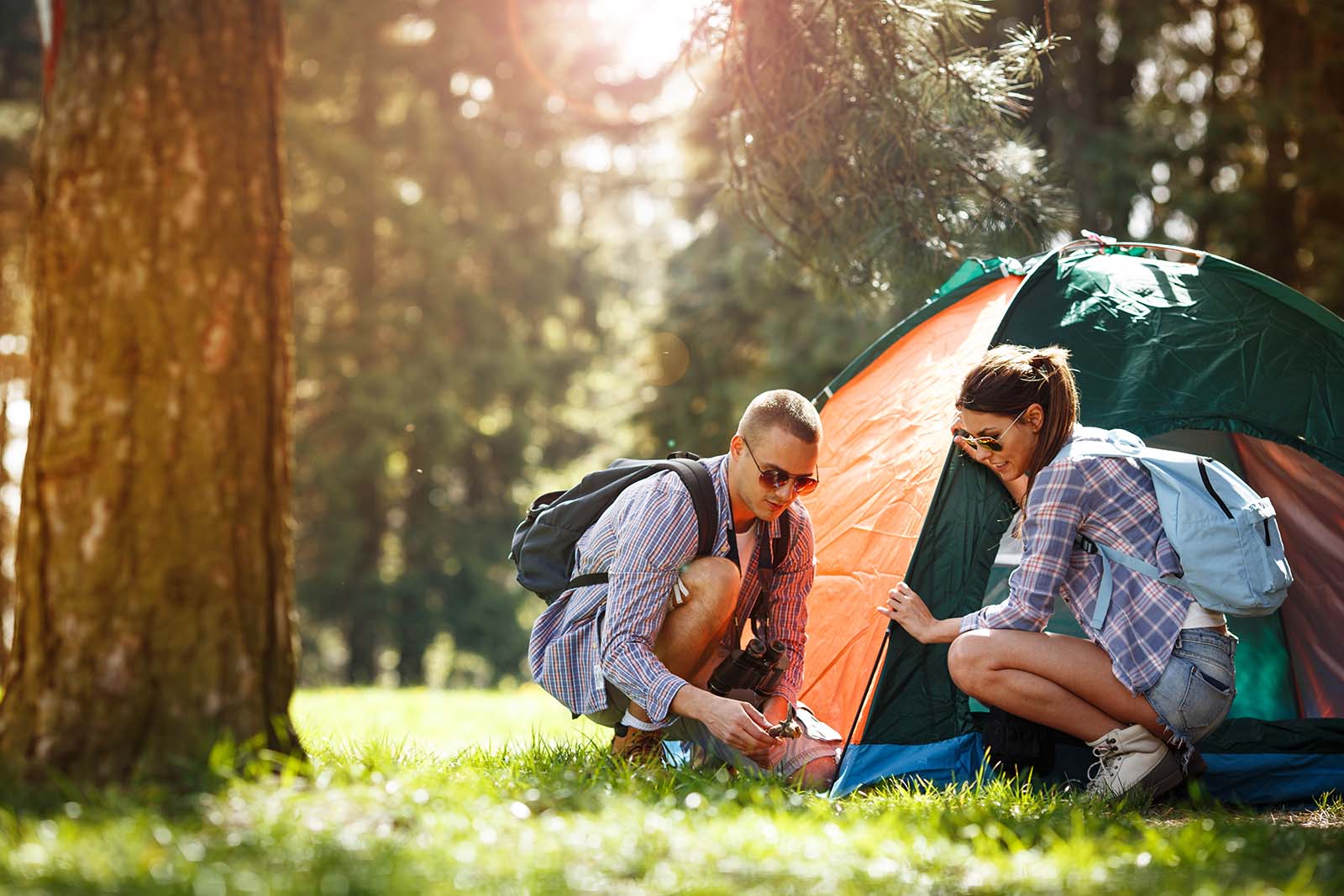
Whether you are considering your first weekend hike, looking to understand the ethics of trail use, or wondering how to stay safe in remote areas, having a solid foundation of knowledge is key. This guide addresses the most common questions and concerns for those ready to step outside and explore.
What Exactly Qualifies as Outdoor Recreation?
Outdoor recreation is a broad umbrella term that encompasses any physical activity or leisure pursuit performed in a natural environment. It is not limited to “extreme” sports like mountain climbing or white-water rafting. In fact, it ranges from “soft” activities like bird-watching, gardening, and walking in a local park to “hard” adventures like backpacking, bouldering, or backcountry skiing.
The core of outdoor recreation is the interaction between the individual and the natural elements. If you are moving your body and engaging with the environment—whether it’s a forest, a beach, a desert, or a mountain range—you are participating in outdoor recreation. The goal is to improve physical health, mental clarity, and emotional well-being through nature-based experiences.
Is Outdoor Recreation Safe for Beginners?
Safety is the most common concern for newcomers, and the answer is a resounding yes, provided you practice proper preparation. Most accidents in the outdoors are the result of poor planning or overestimating one’s abilities.
For beginners, the key is to “start small and grow tall.” Begin with well-marked trails in popular parks where there is a clear cell signal and other people around. As you build confidence and physical stamina, you can venture further. Basic safety involves checking the weather forecast, carrying a “The Ten Essentials” kit (which includes navigation, sun protection, insulation, first aid, and extra water), and always informing someone of your planned route and expected return time. Nature is unpredictable, but respect and preparation mitigate the majority of risks.
What is the “Leave No Trace” Principle?
As more people head outdoors, the environmental impact on our wild spaces increases. “Leave No Trace” (LNT) is a set of seven ethical guidelines designed to minimize our footprint and ensure that these environments remain pristine for future generations. These principles include:
- Plan ahead and prepare.
- Travel and camp on durable surfaces.
- Dispose of waste properly (pack it in, pack it out).
- Leave what you find (rocks, plants, and historical artifacts).
- Minimize campfire impacts.
- Respect wildlife.
- Be considerate of other visitors.
Following LNT is not just about being a “good” traveler; it is a mechanical necessity for preserving the ecosystems that make outdoor recreation possible.
Do I Need Expensive Gear to Get Started?
A common misconception is that you need a thousand dollars’ worth of high-tech gear to go for a hike. While specialized equipment becomes important for technical sports like climbing or winter trekking, most beginners can start with what they already own.
The most important investment is a pair of sturdy, comfortable shoes with good traction. Beyond that, focus on “layering” your clothing. Use synthetic or wool fabrics that move sweat away from your skin; avoid cotton, as it stays wet and can make you cold. You can often find high-quality used gear at outdoor co-ops or online marketplaces. As you find which activities you enjoy most, you can gradually invest in better equipment like a technical backpack, a lightweight tent, or a high-performance shell jacket.
How Do I Choose the Right Activity for My Fitness Level?
The best outdoor activity is the one you will actually do consistently. If you enjoy solitude and a steady pace, hiking or kayaking may be for you. If you crave social interaction and high-intensity movement, consider joining a cycling club or a local climbing gym that organizes outdoor trips.
Assess your current fitness honestly. If you haven’t exercised in months, a fifteen-mile mountain trek is likely to lead to injury. Start with a “micro-adventure”—a two-hour walk in a local nature preserve. Use apps like AllTrails to check the difficulty rating, elevation gain, and recent user reviews of trails before you go. The outdoors should be a place of joy, not a source of physical trauma.
What Should I Do if I Encounter Wildlife?
Encountering wildlife is one of the most rewarding parts of being outdoors, but it requires a calm and respectful approach. The general rule is to maintain a safe distance—if your presence changes the animal’s behavior, you are too close.
Most wild animals are naturally afraid of humans and will avoid you if they hear you coming. This is why many hikers talk or wear “bear bells” in certain regions. If you do find yourself close to an animal, do not run; running can trigger a predatory chase instinct. Back away slowly while facing the animal and give it a clear path to escape. Knowledge of local wildlife (knowing the difference between a black bear and a grizzly, for example) is an essential part of your pre-trip research.
Conclusion
Outdoor recreation is a powerful tool for transforming your life. It offers a unique combination of physical challenge and mental restoration that no indoor environment can replicate. While the questions may seem numerous at first, the answers are found through experience and a willingness to learn. By respecting the environment, preparing adequately, and starting at a pace that suits your body, you open the door to a lifetime of adventure. The great outdoors is the world’s largest gymnasium and its most effective therapy room—and it is open to everyone. All you have to do is take that first step.