
In a world increasingly dominated by urban landscapes and digital saturation, a new movement in tourism has taken center stage: Outdoor Recreation Traveling. This isn’t just about visiting a new city or lounging by a hotel pool; it is a purposeful journey into the heart of nature, where the primary objective is to engage with the environment through physical activity, exploration, and mindful presence. From trekking across ancient mountain ranges to kayaking through pristine coastal ecosystems, outdoor recreation traveling offers a profound reset for the body and the soul.
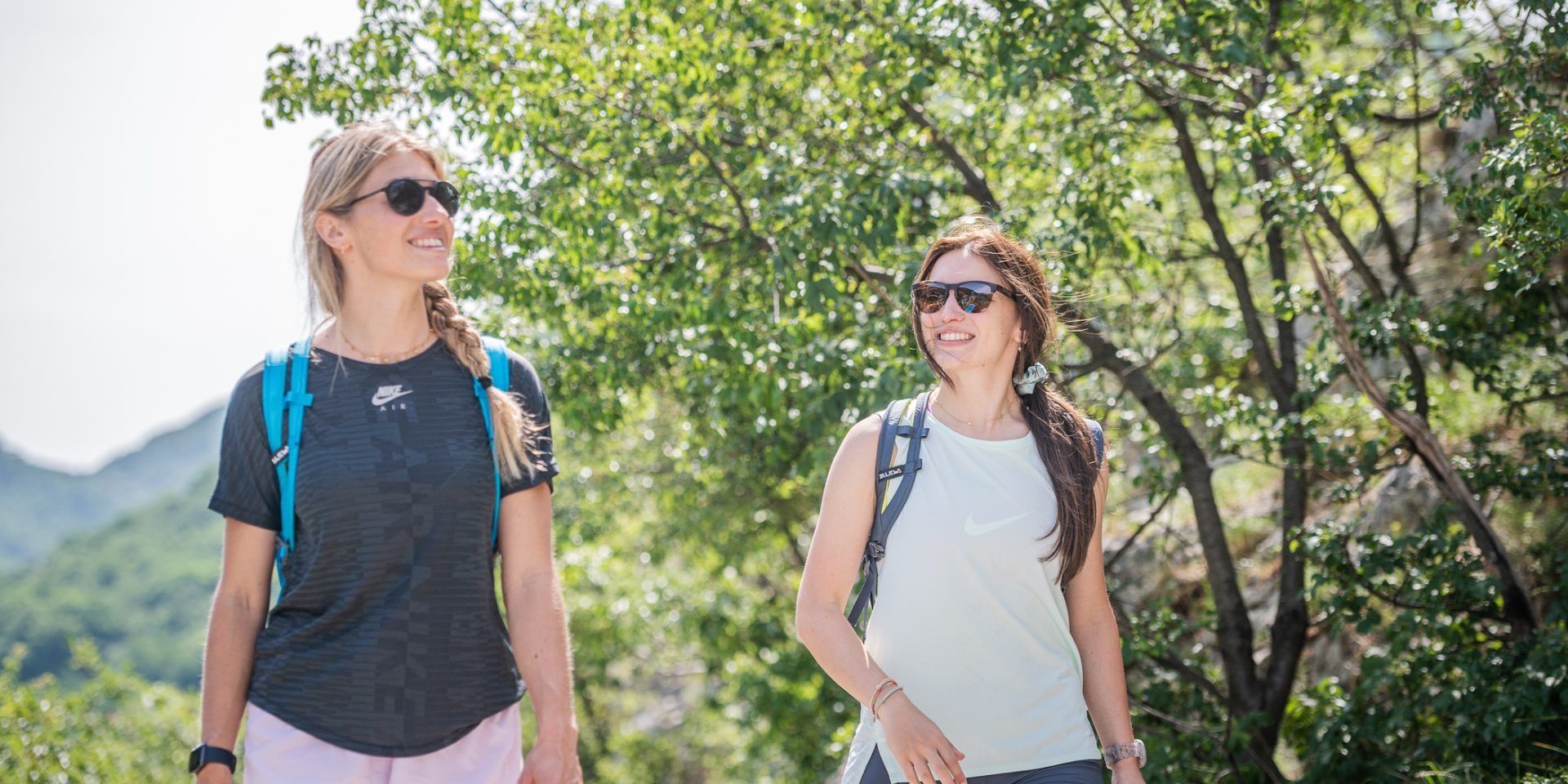
Choosing to spend your travel days in the great outdoors is an investment in your personal growth. It challenges your limits, broadens your perspective, and fosters a deep sense of stewardship for the planet. For the modern traveler, it is the ultimate way to swap screen time for “green time.”
The Multi-Dimensional Benefits of Nature-Based Travel
What sets outdoor recreation traveling apart from traditional tourism is the holistic impact it has on the human experience. When we travel to engage in outdoor sports or recreation, we aren’t just seeing a destination; we are experiencing it through our senses and physical efforts.
Physically, this type of travel is a powerful tonic. Whether it is the cardiovascular challenge of high-altitude hiking or the functional strength required for rock climbing, outdoor travel keeps the body in a state of active engagement. Unlike a sterile gym environment, natural terrain provides varied resistance and unpredictable challenges that improve balance, coordination, and overall resilience.
Psychologically, the benefits are even more striking. The concept of “biophilia” suggests that humans have an innate tendency to seek connections with nature. Studies have shown that outdoor recreation traveling can significantly reduce symptoms of anxiety and depression. The vastness of a mountain range or the rhythmic sound of ocean waves helps to put personal problems into perspective, providing a mental “breathing room” that is rarely found in the hustle of daily life.
Choosing Your Adventure: The Spectrum of Outdoor Travel
One of the greatest myths about outdoor recreation traveling is that it is only for elite athletes or “survivalists.” In reality, the spectrum of outdoor travel is vast, catering to every level of fitness and comfort.
Soft Adventure and Eco-Tourism
For those new to the lifestyle, “soft adventure” provides a gentle entry point. This might include guided bird-watching tours, easy forest bathing sessions, or low-impact cycling through vineyards. The focus here is on appreciation and light movement, allowing the traveler to soak in the scenery without extreme physical strain.
Hard Adventure and Wilderness Exploration
For the seasoned enthusiast, “hard adventure” involves higher levels of risk and physical demand. This includes multi-day backcountry trekking, technical mountaineering, or white-water rafting. These trips often require specialized gear and a high degree of self-sufficiency, offering a deep sense of accomplishment and a true escape from civilization.
Niche Pursuit Traveling
Many travelers now plan their entire itineraries around a specific outdoor passion. This might involve a “surf trip” to the coast of Portugal, a “skiing odyssey” through the Japanese Alps, or a “climbing expedition” in the canyons of Utah. By focusing on a specific skill, travelers can connect with local communities of like-minded enthusiasts, adding a rich social layer to their journey.
The Importance of Sustainable and Ethical Exploration
As outdoor recreation traveling grows in popularity, so does our responsibility to protect the environments we visit. The “Leave No Trace” principle is the gold standard for any outdoor traveler. This involves minimizing your impact by staying on marked trails, properly disposing of waste, and respecting local wildlife.
Furthermore, ethical outdoor travel means supporting local economies. Instead of booking through international conglomerates, consider hiring local guides and staying in eco-lodges owned by members of the community. These guides often possess ancestral knowledge of the land that no guidebook can provide, enriching your experience while ensuring that the benefits of tourism reach the people who protect these natural treasures.
Essential Preparation for the Outdoor Traveler
A successful outdoor recreation trip is the result of meticulous planning. Unlike a city break where you can easily buy what you forgot, being in the wilderness requires you to be your own support system.
- Gear and Attire: Invest in high-quality, moisture-wicking layers and terrain-specific footwear. Your comfort in the outdoors is directly tied to your ability to stay dry and maintain a stable body temperature.
- Physical Conditioning: If you are planning a challenging trek, start a training regimen at least two months in advance. Focus on cardiovascular health and the specific muscle groups you will be using.
- Risk Management: Always research the weather patterns of your destination. Carry a basic first-aid kit, a reliable navigation system, and an emergency communication device. Understanding the risks—and respecting them—is what allows for a safe and enjoyable adventure.
The Social and Cultural Connection
Perhaps the most unexpected benefit of outdoor recreation traveling is the way it breaks down barriers. When you are on a trail or at a campsite, social hierarchies disappear. Conversations flow easily between strangers over shared maps or campfire meals.
Moreover, many outdoor destinations are tied to indigenous cultures that have lived in harmony with the land for millennia. Engaging with these cultures through their traditional outdoor practices provides a profound lesson in sustainability and respect. You aren’t just visiting a landscape; you are visiting a heritage.
Conclusion
Outdoor recreation traveling is a powerful antidote to the sedentary, high-stress nature of modern life. It invites us to step out of our comfort zones and into a world of vibrant color, fresh air, and physical triumph. By choosing a journey that prioritizes movement and nature, you return home not just with photos, but with a renewed sense of vitality and a clearer mind.
Whether you are seeking the quiet solitude of a desert sunset or the adrenaline-fueled rush of a mountain descent, the great outdoors is the world’s most spectacular playground. It is a place where every path leads to a better version of yourself. So, pack your bags, lace up your boots, and answer the call of the wild. The adventure of a lifetime is waiting just beyond the horizon.