
In the pursuit of a longer, more vibrant life, modern society often looks toward the latest medical breakthroughs, high-tech biohacking, or expensive laboratory-made supplements. While these advancements have their place, one of the most potent “medicines” for longevity is free, accessible, and located just outside your front door. An outdoor lifestyle—defined by regular, meaningful interaction with the natural world—is not merely a leisure choice; it is a fundamental biological requirement that can significantly extend both the quantity and quality of your years.
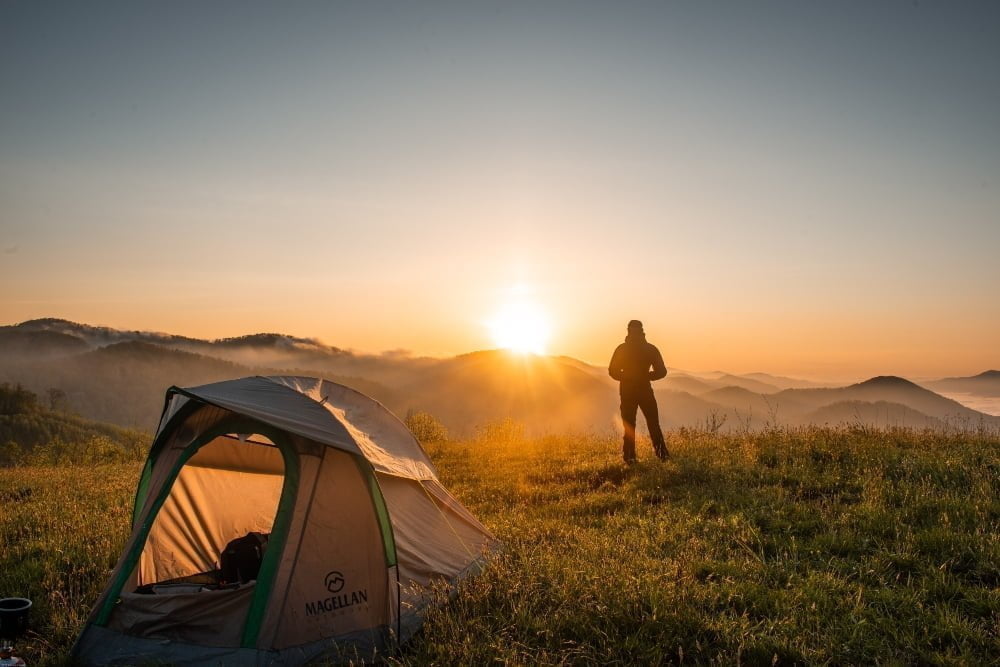
Reconnecting with nature counters the “indoor-centric” sedentary lifestyle that has become the hallmark of the 21st century. By shifting our daily habits back to the environment we were evolutionarily designed for, we can trigger a cascade of physiological and psychological benefits that protect the body against the chronic diseases often associated with aging.
The Vitamin D Synthesis and Immune Resilience
One of the most immediate biological links between the outdoors and longevity is the synthesis of Vitamin D. When sunlight hits the skin, it triggers the production of this essential pro-hormone, which is crucial for hundreds of bodily functions. Vitamin D is a powerhouse for bone health, helping the body absorb calcium and preventing the onset of osteoporosis in later years.
Beyond bone density, Vitamin D is a primary regulator of the immune system. Research suggests that maintaining optimal levels of the “sunshine vitamin” can reduce the risk of certain cancers, cardiovascular diseases, and autoimmune disorders. Furthermore, exposure to the diverse microbiota found in soil and forests—sometimes referred to as the “hygiene hypothesis”—helps prime the human immune system, reducing the chronic, low-grade inflammation that is a primary driver of biological aging.
Natural Stress Reduction and Cortisol Regulation
Chronic stress is a silent killer, contributing significantly to heart disease, metabolic disorders, and mental health decline. The modern urban environment, characterized by constant noise, artificial lighting, and digital notifications, keeps the human nervous system in a state of perpetual “high alert.”
Spending time in green spaces provides a natural antidote to this stress. Engaging in “Forest Bathing” or simply walking through a local park has been scientifically proven to lower cortisol levels, the body’s primary stress hormone. Lower cortisol levels mean less strain on the heart and a more balanced endocrine system. The visual patterns found in nature, such as the fractals in trees and clouds, naturally induce a state of “soft fascination.” This allows the brain’s executive functions to rest, which is vital for cognitive longevity and the prevention of psychological burnout.
The “Green Exercise” Advantage
Longevity is inextricably linked to physical activity, but not all exercise is created equal. “Green exercise”—physical activity performed in natural environments—offers benefits that a treadmill cannot match. When you hike or run on a trail, your body must constantly adjust to uneven surfaces, inclines, and obstacles. This activates stabilizer muscles and improves balance, which are critical factors in maintaining independence and preventing falls as we age.
Moreover, studies indicate that people who exercise outdoors often perceive less exertion while working out at a higher intensity. The sensory distractions of the outdoors—the wind, the scent of pine, the shifting light—make the act of movement more enjoyable. This increased enjoyment leads to better habit adherence, ensuring that you remain physically active not just for a season, but for a lifetime.
Circadian Rhythm and Quality of Sleep
The quality of our sleep is a major predictor of our lifespan. During deep sleep, the body performs essential “housekeeping” tasks, such as cellular repair and the clearing of metabolic waste from the brain. However, artificial indoor lighting can disrupt our internal clock, or circadian rhythm.
An outdoor lifestyle exposes the body to natural light-dark cycles. Early morning sunlight exposure helps regulate the production of serotonin (which boosts mood) and melatonin (the hormone responsible for sleep). By aligning your biological clock with the rise and fall of the sun, you improve the depth and restorative quality of your sleep. Consistent, high-quality sleep is one of the most effective ways to delay the onset of age-related cognitive decline and maintain a robust metabolic rate.
Social Connectivity and Community Health
Longevity is not just a solo physical endeavor; it is also a social one. Isolation and loneliness are significant risk factors for early mortality. The outdoor lifestyle is inherently social. Whether it is a community garden, a local hiking group, or a neighborhood park, outdoor spaces facilitate “weak tie” interactions—the brief, friendly exchanges with neighbors that contribute to a sense of belonging.
Engaging in outdoor activities often involves a community of like-minded individuals. This social support system provides a sense of purpose and accountability, both of which are common characteristics of the “Blue Zones”—regions of the world where people consistently live past 100. Having a reason to step outside and interact with others keeps the mind sharp and the spirit resilient.
Conclusion
Achieving a longer life is not about a single magic pill; it is about the architecture of your daily life. An outdoor lifestyle provides a holistic framework for health, addressing the needs of the heart, the mind, and the immune system simultaneously. By prioritizing time in nature, you are not just adding years to your life, but life to your years.
The beauty of the great outdoors as a longevity tool is its simplicity. You do not need to be an elite athlete to reap the rewards. A daily walk in the park, tending to a small garden, or even eating lunch under a tree can begin the process of internal restoration. Nature is the original gymnasium and the oldest pharmacy. By choosing to step outside, you are choosing a path of vitality, resilience, and a future where you can truly flourish. Reclaiming your health starts with the simple act of opening your door and stepping into the wild.